
How Much Land Does Bill Gates Own in The World

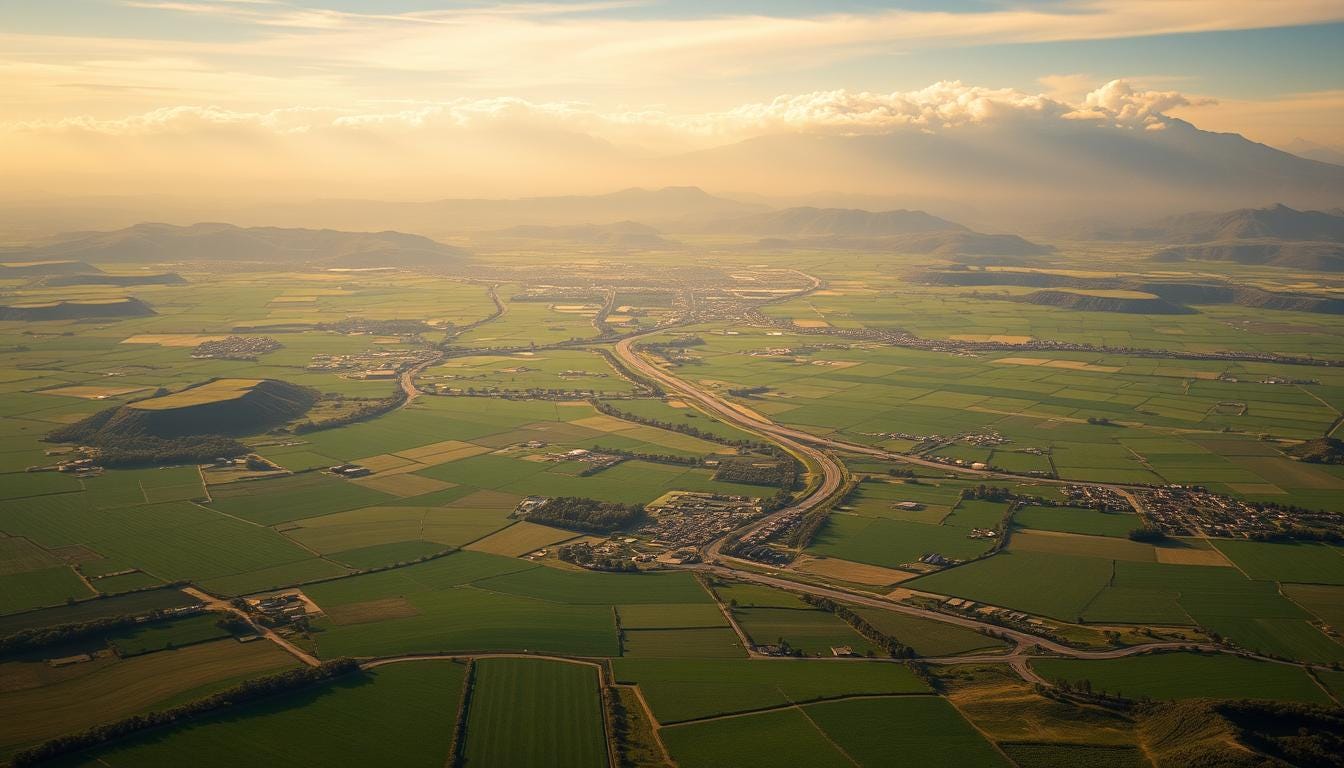
Have you ever wondered what makes the largest private owner of farmland in the U.S. so influential in agricultural practices? Bill Gates, the co-founder of Microsoft, invests heavily in private farmland and acres of farmland across the globe, making him a prominent buyer in the market. The scale of his land ownership has sparked significant interest and debate.
As one of the wealthiest individuals and a major private farmland owner, his investments draw attention. Gates has been diversifying his investments, with a notable focus on agricultural land. This has raised questions about the motivations behind his actions and the potential impact on the environment and local communities in the context of farmland acquisition, particularly in areas where farmland is owned by large investors.
Understanding the extent of his land holdings can provide valuable insights into his strategies for sustainable farming and land use, particularly regarding the largest private owner of farmland in the U.S.
Key Takeaways
Bill Gates has invested heavily in farmland across the United States, making him the largest private owner of farmland in the country.
His land ownership is part of a broader strategy for sustainable farming, particularly as the largest private owner of farmland in the U.S.
The scale of his investments in farmland has significant implications for the environment and the value of farmland in the U.S.
Gates’ approach to land use is influenced by his philanthropic goals, aiming to enhance the sustainability of farmland in the U.S., particularly through initiatives supported by Bill and Melinda Gates.
The impact of his land ownership on local communities, particularly among farmers, is a subject of ongoing debate.
How Much Land Does Bill Gates Own in Africa
Africa has become a significant focus for Bill Gates’ land investments. As part of his broader strategy to enhance global food security and promote sustainable agricultural practices, Gates has acquired substantial tracts of land across the continent.
Overview of Bill Gates’ Land Holdings in Africa
Gates’ land holdings in Africa are diverse, spanning multiple countries and regions. His investments are primarily aimed at promoting sustainable farming practices and improving agricultural productivity.
The countries where Gates has significant land holdings include private farmland in Kenya and other regions. Zambia, Kenya is among the countries where Gates has purchased significant acres of farmland, but he is also focused on expanding his investments in farmland in the U.S., and Ethiopia. These investments are part of his efforts to address food security challenges, promote environmental sustainability, and support farmers, especially in the context of the 2023 land report.
Gates’ investments in African agriculture are geared towards promoting sustainable farming practices and enhancing the value of farmland in the U.S. This includes the use of advanced irrigation systems, drought-resistant crops, and organic farming techniques.
Improved irrigation systems to enhance water management
The introduction of drought-resistant crop varieties to mitigate climate change impacts is essential for farmers and sustainable agriculture, particularly on U.S. farmland, as highlighted in the 2023 land report.
Promotion of organic farming practices to reduce reliance on chemicals is a key aspect of Gates’ strategy for sustainable farmland in the U.S. sector. environmental degradation
These initiatives not only improve agricultural productivity but also contribute to environmental sustainability, supporting farmers in their efforts. By adopting sustainable farming practices, Gates’ investments in Africa are helping to ensure long-term food security and reduce the environmental footprint of agriculture, aligning with his broader goals in the U.S. farmland sector.
Total Land Owned by Bill Gates in 2024
As we approach 2024, the total land owned by Bill Gates, as detailed in the 2025 land report, includes a substantial amount of farmland in the United States, making it a subject of significant interest. With his vast investment portfolio, Gates continues to be a major player in the U.S. farmland market, particularly through his cascade investment strategies. land ownership Market dynamics play a crucial role in shaping the investments made by the largest private owner of farmland in the U.S., especially in response to inflation and changing agricultural demands.
Global Land Holdings Update
Bill Gates’ land holdings have expanded significantly over the years, with investments in various countries and much farmland acquired. His strategy involves diversifying his portfolio to include farmland, which is seen as a stable and profitable investment in the U.S. farmland sector.
The latest data indicates that Gates’ total land ownership now exceeds 250,000 acres globally, particularly in the context of investing in farmland. This makes him one of the largest private landowners in the world, with much farmland under his control.
Gates’ investment approach to farmland is multifaceted, focusing on both asset growth and sustainable practices, especially in his extensive acreage across the U.S. He focuses on regions with high agricultural productivity and potential for growth. Some key factors in his investment decisions include:
Soil quality and fertility
Water availability and irrigation systems are critical factors in the management of U.S. farmland, especially in the context of climate change.
Market demand for specific crops influences the value of farmland, particularly in the U.S., where stock prices can also be affected by agricultural trends and inflation.
There is a significant potential for sustainable farming practices to be implemented on the million acres of farmland owned by investors like Gates.
By adopting these strategies, Gates not only generates returns on his investments but also contributes to global food security and sustainable agriculture in the U.S. sector.
For potential investors looking to follow in Gates’ footsteps, understanding these investment strategies can provide valuable insights into the best ways to invest in farmland in the U.S. as Bill Gates does.
How Much Land Does Bill Gates Own Compared to Other Billionaires
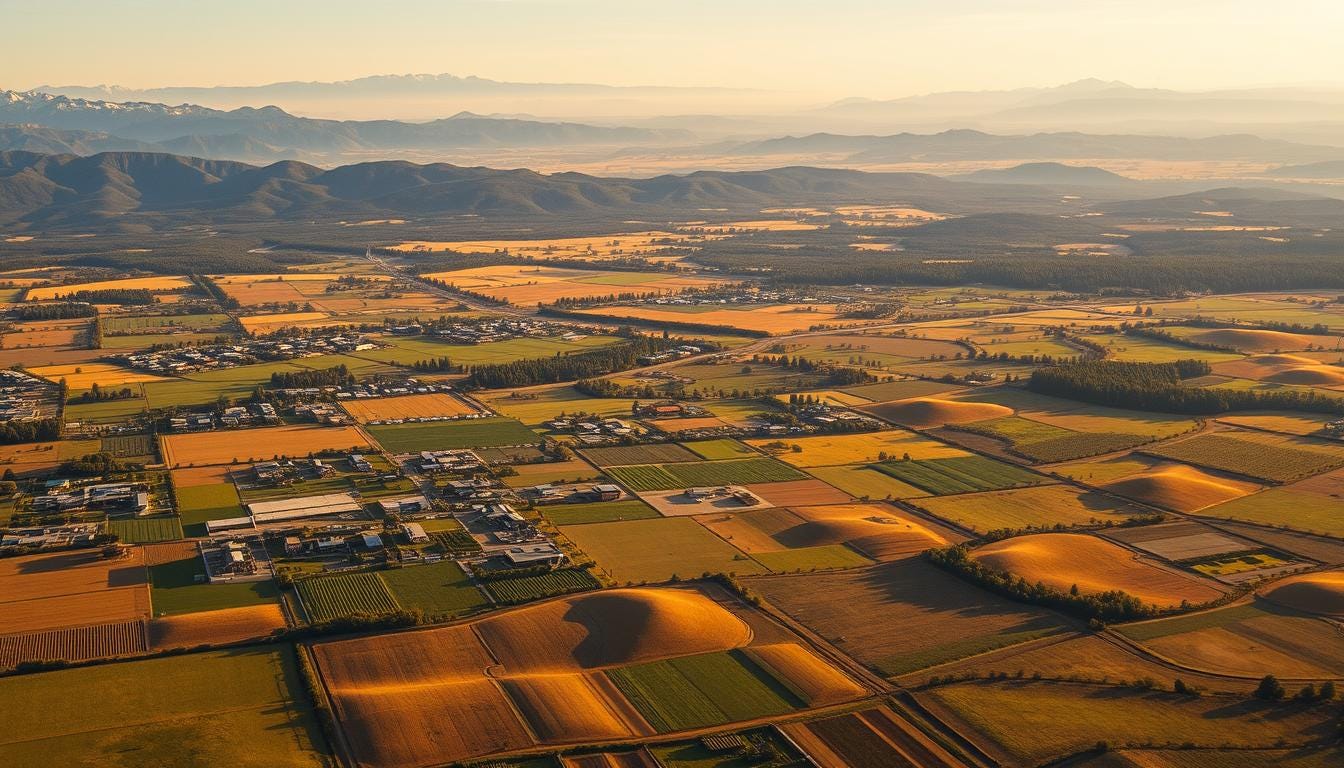
Bill Gates is not the only billionaire with significant land holdings; other private farmland owners are also making headlines. Other prominent investors, such as Ted Turner and Jeff Bezos, have also invested heavily in private farmland and real estate, amassing significant acres of U.S. farmland. A comparative analysis of their land ownership provides insight into the scale and scope of their investments, particularly the millions of acres of U.S. farmland owned by Gates and others.
Land Holdings of Prominent Billionaires
Ted Turner’s land holdings, for example, span over 2 million acres in the United States, primarily used for conservation and ranching, making him one of the notable figures in U.S. farmland acquisition. In contrast, Bill Gates’ farmland investments, as part of his analysis of bill gates farmland investments, are focused on sustainable agriculture and climate change mitigation.
Environmental Impact of Large-Scale Land Ownership
Large-scale land ownership can have both positive and negative environmental impacts. On the one hand, investments in sustainable agriculture and conservation can promote biodiversity and reduce carbon emissions. On the other hand, the displacement of local communities and the concentration of land ownership can have negative social and environmental consequences, especially in regions where farmland is owned by a few large buyers.