How to Find Out Who Owns a Property: A Land Investor’s Guide
What if the most profitable land deal you’ll ever find isn’t listed on a single real estate website? You’ve likely spent hours scrolling through Zillow or Redfin, only to find picked-over properties and sky-high retail prices. It’s frustrating to see a perfect, vacant lot and have no way to contact the person who holds the deed. Most investors get stuck trying to navigate clunky government websites or feel overwhelmed by confusing legal jargon on tax records. You aren’t alone in that struggle.
Learning how to find out who owns a property is the ultimate “scout” skill that separates the pros from the hobbyists. We’re going to show you the exact steps to uncover property ownership data and find direct contact info for off-market deals. It’s about turning a mystery lot into a tangible opportunity. With new 2026 transparency rules like the FinCEN residential rule and the Corporate Transparency Act making it easier to see through shell companies, there’s never been a better time to start hunting.
This guide breaks down how to use GIS maps like a pro, navigate public records without the headache, and use skip tracing to get a mailing address. You’ll finish with a proven strategy for making off-market offers that bypass the competition entirely. Let’s get to work.
Key Takeaways
Discover why skipping the MLS and going direct to owners is the most effective way to secure land at wholesale prices in 2026.
Master the technical steps of how to find out who owns a property by navigating County Tax Assessor databases and GIS parcel maps with confidence.
Learn how to use skip tracing and specialized search tools to turn a simple name and address into a direct phone number or email.
Find out how to bypass common research hurdles, such as outdated county data or properties held within complex legal trusts.
Understand how to save hours of manual research by leveraging curated land lists and professional deal-finding tools.
Table of Contents
Why Property Ownership Research is the Secret to Off-Market Deals
In 2026, the retail land market is more crowded than ever. By the time a property hits a major listing site, it’s already been picked over by hundreds of other buyers. This drives prices up and shrinks your profit margins. Learning how to find out who owns a property is the ultimate move for any serious land investor. It allows you to bypass the bidding wars and go straight to the source. When you find a deal off-market, you aren’t competing with the general public. You’re having a private conversation with an owner who might not even realize they’re ready to sell.
Researching vacant land is a different beast than looking up residential homes. Most houses have a clear street address you can simply search. Vacant land often doesn’t. You have to get comfortable with Assessor Parcel Numbers (APNs) and legal descriptions. It’s a bit more technical, but that’s exactly why the deals are better. Fewer people are willing to do the legwork, which leaves more opportunity for you. While public data is available to everyone, it’s often messy and outdated. Professional investors often bridge this gap by using a curated Vacant Land List Subscription or a Deal-Finding Tool Subscription to get clean, actionable data quickly.
The “Scout” Mindset: Finding Value Where Others Don’t Look
“For Sale” signs are usually the most expensive way to buy land. When a property is officially listed, the owner is looking for top dollar. As a scout, you’re looking for “tired” owners. These are individuals who might have inherited a parcel decades ago and have never even visited it. They pay the property taxes every year, but the land is just a bill to them. A simple ownership search can turn a random patch of woods into a high-value acquisition. You’re looking for the people who are ready to let go of the burden of ownership if someone makes the process easy for them.
The Legal Reality: Is Property Ownership Public Information?
Yes, property ownership is a matter of public record. The U.S. relies on a transparent system of recording legal instruments to maintain a clear chain of title. This means the County Clerk and Tax Assessor are legally required to track and provide ownership information. Even with new 2026 regulations like the Corporate Transparency Act making it harder to hide behind shell companies, the core data remains accessible. Knowing how to find out who owns a property is simply about knowing which digital or physical door to knock on. It’s your legal right to see who holds the deed to any piece of land in the country.
How to Find Who Owns a Property Using Public Records
To start your search, you need to look at the local level. Most people make the mistake of searching broad national databases first. The ground truth lives in county tax offices. This is where every deed transfer and tax payment is recorded. If you’re wondering how to find out who owns a property, your first stop should always be the official website of the county where the land is located. You’ll need to choose between searching by a physical address or a parcel number. Since raw land often lacks an address, the parcel number is your most reliable tool.
Step 1: Identify the Parcel via GIS Maps
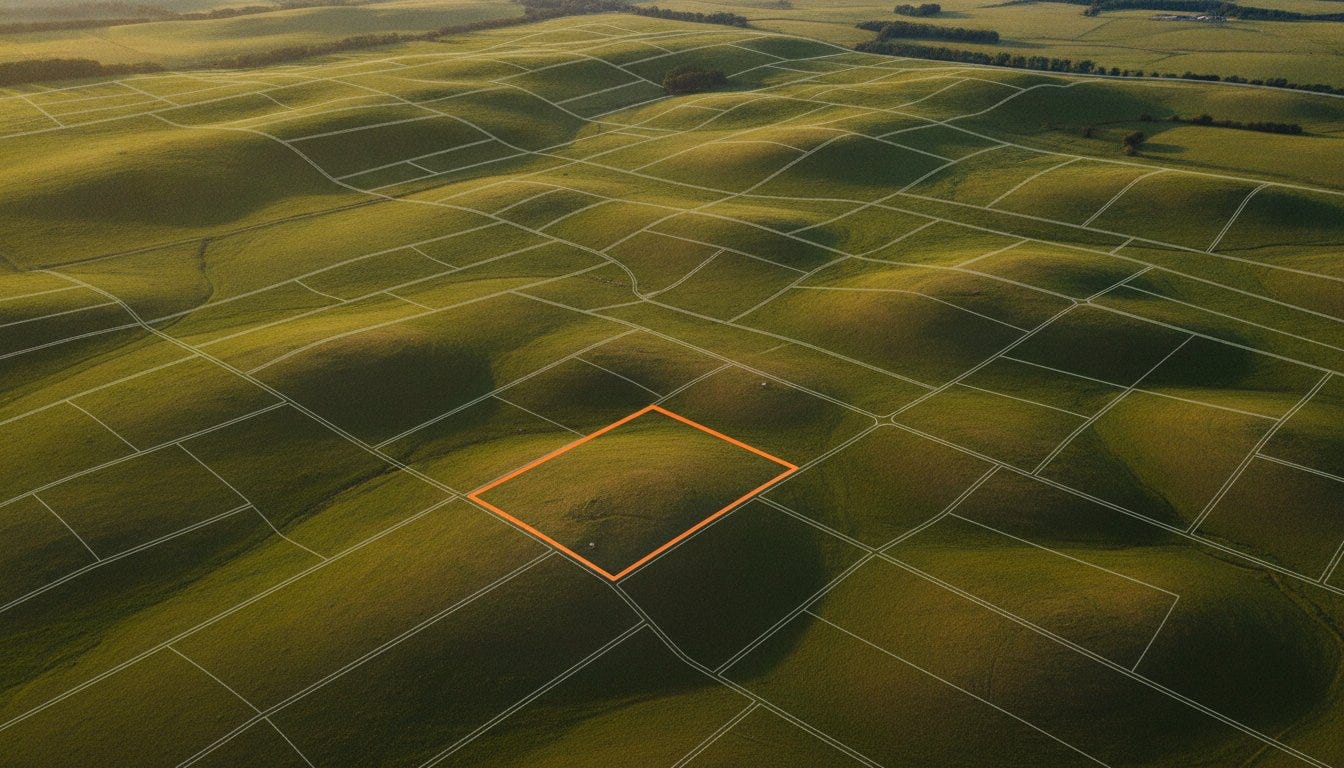
GIS stands for Geographic Information Systems. Think of it as a digital map that overlays property lines onto satellite imagery. Most counties offer a free GIS portal where you can zoom in on a specific area, click on a lot, and see its boundaries. This is vital for raw land because these parcels often don’t have a street address yet. An Assessor’s Parcel Number (APN) is essentially the Social Security Number for land. It’s a unique ID that stays with the property through every ownership change, making it the most accurate way to track data.
Step 2: Cross-Reference with the Tax Assessor
Once you have the APN, head to the County Tax Assessor’s portal. Enter that number into the search bar to find the “Owner of Record.” Pay close attention here. If multiple names are listed, it could mean the property is owned by heirs or a partnership. Look for the “Tax Mailing Address.” This is where the owner actually receives their bills, and it’s often different from the “Property Address.” If the owner lives in another state, you’ve found an absentee owner who might be more likely to sell.
Checking for delinquent taxes is another pro move. If you see that the property taxes haven’t been paid in a year or two, you’ve found a motivated seller. They are losing money every month they hold onto that land. This is the gold standard for off-market deals. If this manual digging sounds like a lot of work, you can always use a curated land list to find these opportunities without the endless clicking. It saves you from the frustration of broken county websites.
Finally, verify the most recent deed to ensure the owner is current. You want to see when the property last changed hands. If it hasn’t sold in 20 or 30 years, the owner might be “tired” and ready for a cash offer. Always confirm the deed type to ensure you’re talking to the person who has the legal right to sign a contract. Understanding how to find out who owns a property through these records gives you the confidence to reach out with a legitimate offer.
Advanced Tools for Skip Tracing and Contact Information
Finding a name in a public record is only half the battle. To actually close a deal, you need to get in touch with the person behind the deed. This is where skip tracing comes in. Originally a tool for debt collectors, skip tracing is now a vital part of a land investor’s toolkit. It’s the process of using various databases to find a person’s current phone number, email, or mailing address. While many national guides explain how to find out who owns a property, few tell you what to do when that owner is hiding behind a corporate wall or an old PO box.
If you’re on a tight budget, you can start with DIY tools like white pages or specialized search engines. These sites aggregate data from social media, utility records, and marketing lists. However, manual searching is slow. Professional investors often use high-volume tools to speed up the process. As of June 2026, industry leaders like BatchData and PropStream report hit rates between 70% and 85% for finding accurate phone numbers. This level of accuracy turns a cold list into a hot pipeline of potential sellers in a fraction of the time.
Finding the Person Behind the LLC
Don’t let a corporate name stop your research. Many of the best land deals are tucked away in simple holding companies. When you see an LLC listed as the owner, head straight to the Secretary of State website for that specific state. Look for the “Registered Agent” or, even better, the “Managing Member.” Thanks to the Corporate Transparency Act and California’s SB 1201, which took effect earlier in 2026, unmasking the beneficial owners of these entities has become significantly more straightforward. You’re looking for the person with the power to sign a deed, not just a corporate shell.
Contacting the Owner: Professionalism vs. Persistence
Once you have a name and a way to reach them, your approach matters. Think of yourself as a knowledgeable scout, not a high-pressure salesperson. Sending a polite, physical letter is still the most effective way to buy land in 2026. It feels personal and less intrusive than a cold call. Your inquiry should be simple. State that you’re an investor interested in their specific parcel and ask if they’ve ever considered selling. This soft-touch approach builds trust. It separates you from the scammers and positions you as a serious professional ready to solve their problem with a clean cash offer.
Persistence is key, but etiquette is mandatory. If you’re calling, keep it brief. Respect their time. If they say they aren’t interested, thank them and leave your contact info. You’d be surprised how many “no” answers turn into “yes” six months later when a tax bill arrives. Understanding how to find out who owns a property is just the first step. The real magic happens when you combine that data with a respectful, consistent outreach strategy.
Common Roadblocks in Property Research and How to Fix Them
Public records aren’t always a clean, digital experience. You’ll eventually hit a county website that looks like it hasn’t been updated in a decade. Or worse, the GIS map won’t load at all. When you’re learning how to find out who owns a property, you have to be ready to pivot. Sometimes the data is just stale. If you find a parcel that looks abandoned but the record shows a sale from last month, the county might be behind on their data entry. Don’t give up. A quick phone call to the assessor’s office can often clear up the confusion that a broken website creates.
Handling “In Care Of” (C/O) addresses is another common hurdle. This usually means the owner doesn’t live at the property and has their tax bills sent to a lawyer, an accountant, or a relative. While it adds a layer of mystery, it’s actually a great sign. It often indicates an absentee owner who has little emotional connection to the land. Similarly, if a property is in probate, the owner of record might be deceased. You’ll need to check the county’s probate court records to find the executor. This person has the legal power to sell the land and is often highly motivated to close the estate.
When the Address Doesn’t Exist
Raw land often lacks a standard house number. It’s just a blank spot on the map. In these cases, you’ll need to rely on the “Legal Description.” This uses a system of metes and bounds to describe the property boundaries. If you can’t find the exact lot, try “triangulating” by looking up the addresses of the nearest neighbors. Most GIS tools allow you to click adjacent parcels to see their history. For remote acreage, latitude and longitude coordinates are your best friend. They never change, even if the county renames the roads or reconfigures the zip codes.
The “Trust” Hurdle: Who Really Makes the Decisions?
High-value land is frequently held in a trust. This can feel like a dead end because the record will list a name like “The Sunshine Realty Trust” instead of an individual. You need to find the Trustee. They are the person authorized to sign the deed and make the sale. Look for a law firm or a bank listed in the tax record. This is a massive clue. Contacting the law firm directly can sometimes lead you to the person managing the trust’s assets. It takes more effort, but these “hidden” owners face far less competition from other investors.
If this level of detective work feels overwhelming, you can skip the struggle entirely. Get instant access to verified, ready-to-buy data by joining our Vacant Land List Subscription today. It’s the fastest way to find deals without the technical headaches of manual research.
Dealing with “Unassigned” addresses in rural areas requires a bit of grit. If the county doesn’t have a record, check with the local utility companies or the Department of Transportation. They often have more detailed maps for infrastructure purposes. Understanding how to find out who owns a property means being more resourceful than the average buyer. Every roadblock you clear is one less competitor you have to worry about.
The Shortcut: Letting the Deals Come to You
Manual skip tracing is a massive time sink. You can easily spend an entire Saturday morning clicking through broken GIS maps and still not have a single signed contract. While knowing how to find out who owns a property is a vital skill for any investor, it isn’t always the most efficient use of your energy. As you grow, you’ll realize that your time is better spent evaluating deals rather than digging through digital basements for contact info. The goal is to be an investor, not a full-time data entry clerk.
The Vacant Land List does the heavy lifting for you. Instead of staring at raw data and hoping for a hit, you get access to properties where the initial research is already complete. This includes unique opportunities for seller-financed land with incredibly low entry points. Some deals are available for as little as $75 down. This democratizes land ownership, making it an attainable goal for everyone rather than an exclusive club for the wealthy. You don’t need a massive bank account to start building your portfolio when you have the right shortcut.
Why a Newsletter is Better Than a Database
Databases give you raw info. Newsletters give you vetted deals. When you’re using a massive database, you’re still the one who has to filter out the junk. A curated list provides an “insider” advantage by delivering fresh opportunities to your inbox every week. These are parcels where the owner’s situation has already been scouted. You can start investing in land with zero experience in skip tracing or corporate filings. It’s about working smarter, not harder, to find the best off-market inventory available in 2026.
Your Next Steps to Land Ownership
Ready to put your new skills to the test? Start small. Practice how to find out who owns a property by researching one vacant lot in your own neighborhood today. Open your local GIS tool, find the APN, and look up the tax mailing address. This builds your “scout” muscles and helps you understand the foundational concepts of property research. Once you’ve mastered the basics, you’ll see why professional investors rely on automated tools to scale their efforts.
If you’re ready to skip the frustration of public record navigation and move straight to the closing table, we’re here to help. You can subscribe to get off-market land deals delivered to your inbox. Let us perform the heavy lifting of research while you focus on securing the deals. The path to land ownership doesn’t have to be a struggle. With the right strategy, you can turn a mystery parcel into a valuable asset in a matter of days.
Take the Lead in the Land Market
You now have the roadmap to move from a curious observer to a savvy land scout. By leveraging GIS maps and understanding the technical side of public records, you’ve learned the essential mechanics of how to find out who owns a property. The best deals aren’t found through luck. They’re found through methodical research and the professional outreach strategies we’ve covered. Whether you’re unmasking an LLC or navigating a complex trust, every roadblock you solve puts you miles ahead of the competition.
Why spend your weekends fighting with outdated county websites? You can join a community of over 8,000 active subscribers who receive curated, off-market land deals delivered directly to their inbox. With some opportunities starting as low as $75 down, the barrier to entry has never been lower. Join 8,000+ investors and get off-market land deals every week. It’s the most efficient way to build your portfolio without the data entry headache.
Your first successful acquisition is closer than you think. Take that first step today and start scouting. The land is waiting for you.
Frequently Asked Questions
Is it free to find out who owns a property?
Yes, in most cases, you can access this information for free through your local government. Most counties provide online access to tax assessor records and GIS maps at no cost to the public. If you need a certified copy of a deed, the county clerk might charge a small administrative fee. While viewing the data is free, professional tools that aggregate this info nationwide often require a subscription for the convenience they provide.
Can I find a property owner by their address on Google Maps?
No, Google Maps does not display private ownership data. It’s designed for navigation and business discovery rather than real estate research. You can use Google Maps to find the physical location or coordinates of a lot, but you’ll need to take that information to a county GIS portal to find the owner’s name. It’s a great starting point for visual scouting, but the legal ownership data lives in government databases.
How do I find the owner of a vacant lot with no street address?
You should use the county GIS map to identify the parcel visually. Since raw land often lacks a street address, you can zoom into the area on a digital map and click on the specific lot. This will provide you with the Assessor’s Parcel Number (APN). This unique ID allows you to search the tax records to see exactly how to find out who owns a property even when it’s just undeveloped acreage.
What is an APN and why do I need it to find a land owner?
An APN is an Assessor’s Parcel Number, which acts as a unique identifier for every piece of real estate in a county. Think of it as a Social Security Number for land. While street addresses can be confusing or nonexistent for rural parcels, the APN is specific to the dirt itself. It’s the primary key used by county offices to track tax payments and ownership transfers, making it essential for accurate research.
How do I contact a property owner without their phone number?
The most effective way is to send a professional letter to the tax mailing address found in public records. This is the address where the owner receives their official tax bills, so it’s usually current. If they don’t respond to mail, you can use skip tracing tools to find a potential phone number or email. Many successful land investors prefer mailing first because it’s less intrusive and establishes a formal record of your interest.
Is it legal to mail a property owner an offer to buy their land?
Yes, it is perfectly legal to send a direct mail offer to a property owner. This is a standard practice in the real estate industry for finding off-market deals. You just need to ensure your communication is honest and doesn’t violate any local solicitation laws. Keeping your approach professional and transparent helps build trust. It separates you from the automated “we buy houses” spam and positions you as a serious buyer.
How often are county property records updated?
Update frequency varies by county, ranging from daily to once a year. Larger counties with modern digital systems often update their online portals within 24 to 48 hours of a deed being recorded. Rural counties might only update their digital records once a month or after the annual tax assessment period. If you need the absolute latest info on how to find out who owns a property, calling the clerk’s office directly is the best move.
What should I do if the property owner is deceased?
You’ll need to research the county probate records to find the executor of the estate. When an owner passes away, the legal right to sell the property usually transfers to a court-appointed representative or an heir. You’re looking for the person who has the “power of attorney” or is named as the executor in probate filings. This person is the one you’ll need to negotiate with to secure a legal sale of the land.